Alpine Lake Sawtooths: Hiking Into Still Water & Snow

Where Alpine Lake Meets Ice and Silence
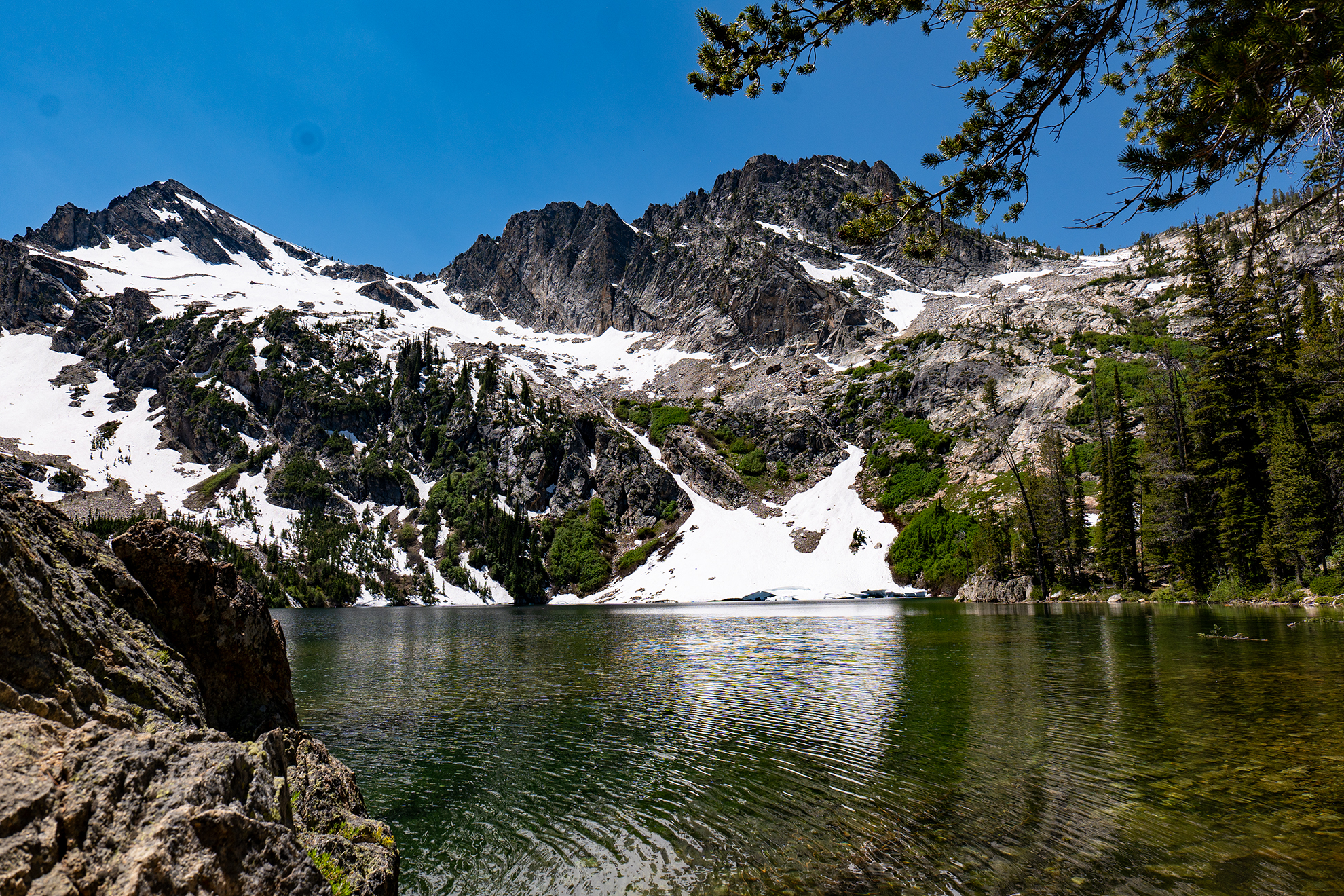
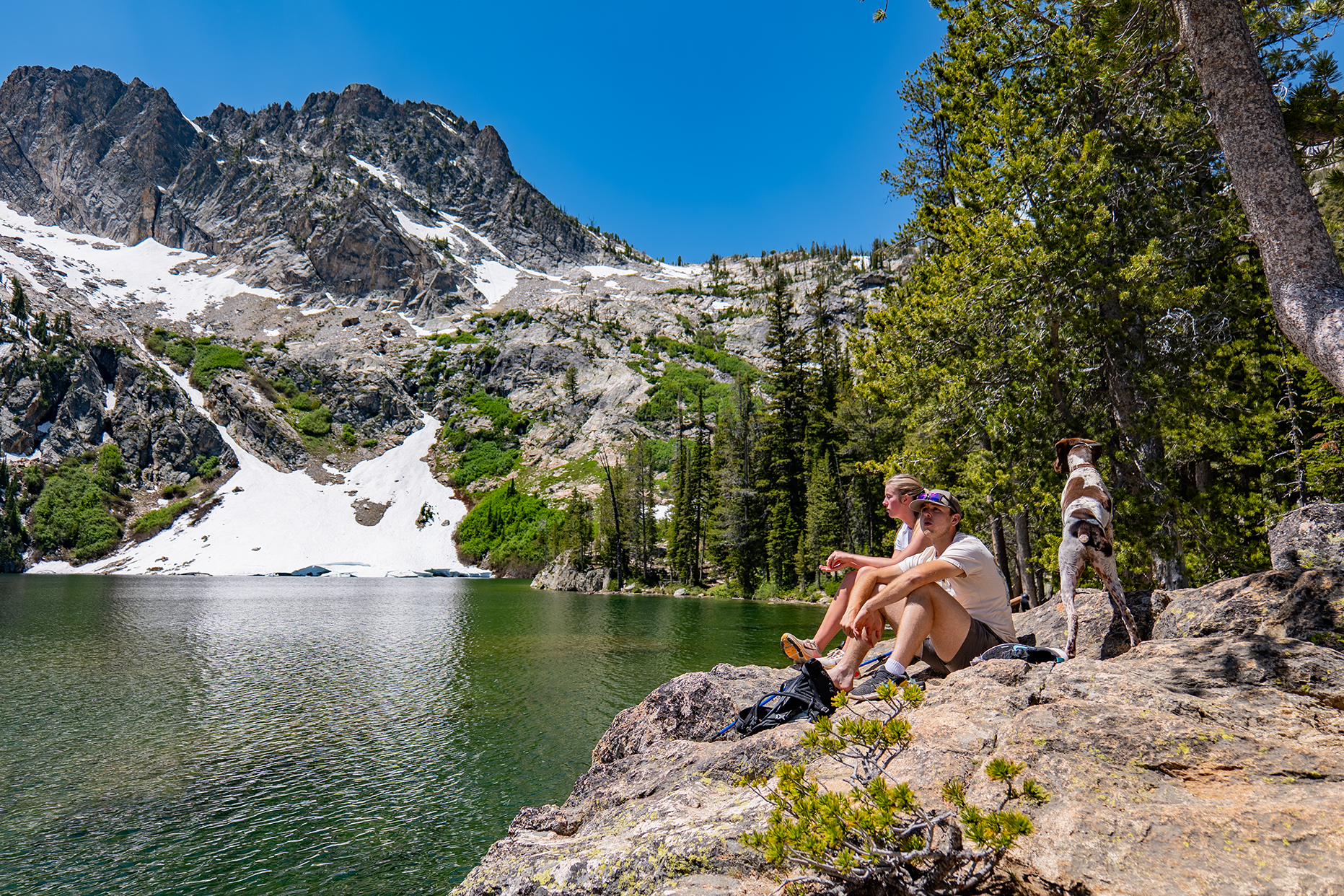
The trail to Alpine Lake in Idaho's Sawtooth Wilderness doesn't ease you in — it earns your attention from the first switchback. I made the climb this past summer with two friends, none of us entirely sure what we'd find at the top, which is honestly the best way to arrive somewhere. What greeted us at Alpine Lake was the kind of scene that makes you stop mid-step: remnant snow clinging to the granite ridgelines above, the water below holding a mirror-flat stillness that felt almost unreal after the wind we'd pushed through on the way up. The Sawtooth Range has a reputation for dramatic alpine terrain, and standing at the shoreline, I understood why people keep coming back to this corner of central Idaho. The light moved across the lake in slow, deliberate shifts — pale and diffuse one moment, then sharp and cold the next as clouds broke apart overhead. We hadn't planned much beyond getting there. Turns out, that was enough.
What the Climb Reveals at the Top
The Forest and the Granite Slabs
The climb to Alpine Lake throws a lot of different conditions at you in a short distance. The trail starts by threading through a dense forest of lodgepole pine, where the air is thick with the smell of sap and sun-warmed needles. Then, it suddenly breaks out onto open granite slabs where the wind immediately picks up and the temperature drops.
Every step upward takes a bit of focus:
- Loose scree underfoot
- Old snow lingering in the shaded gullies
- Cold splashes from meltwater streams crossing the path
My lungs were working hard in the thin air, but it felt good to be moving. I paused a lot, both to catch my breath and to look down at the valley falling away below us in a massive patchwork of forest and stone.
Reaching the Lake
As we crested the final ridge, the lake appeared all at once: a bright blue pool tucked into a giant bowl of granite. The water was so still it almost seemed to erase sound, broken only by a random ripple from the breeze or a distant rockfall.
I knelt at the edge and put my fingers in the water, and the icy cold was an instant shock. The shoreline was a mix of cool textures, from smooth boulders and gritty sand to pockets of snow melting into the lake. Above us, the jagged peaks threw long shadows that slowly crept across the water.
The official Sawtooth Wilderness regulations are very strict about protecting this fragile alpine basin: no campfires, stay on durable surfaces, and pack out absolutely everything you bring in. Standing there, it feels less like a rulebook and more like common sense.
Chasing the Mountain Light
I spent the afternoon hanging out around the basin, just watching the light change. Clouds drifted in and out, completely shifting the vibe—one minute the colors looked totally flat, and the next, the sun would break through and make the snowfields blindingly bright.
We had followed the path up from the Iron Creek trailhead. I’d spent some time studying the detailed trail maps on AllTrails before setting out to trace the switchbacks, but the actual lake was way wilder and more impressive than a map can show.
As evening started to settle in, the temperature dropped fast, and the water perfectly mirrored the deep blue sky. We lingered at the edge, not really wanting to leave the quiet of the basin. The Sawtooths always have a way of making you feel small in the best way possible, and I grabbed a few final photos before we packed up and headed down.
Carrying Alpine Lake’s Stillness Back Home
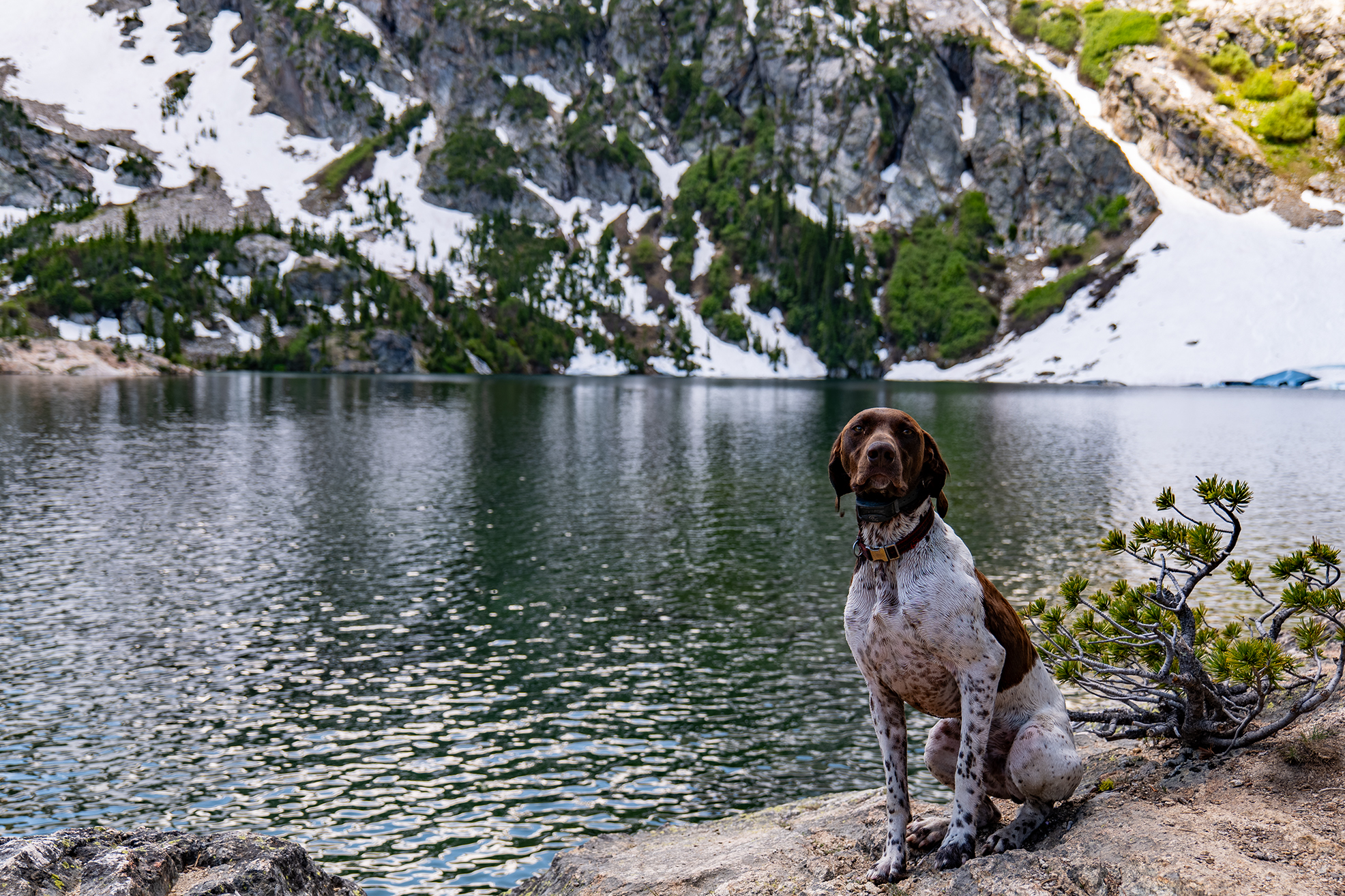
Alpine lakes make photography simple. The snow, the reflections, and the backdrop were already there; I just had to point the camera. Each shot felt effortless—clean, honest, and unforced—reminding me that sometimes the best way to capture a place is simply to let it speak for itself. In the hush of evening, with the last light slipping behind the peaks and the air turning sharp, I felt a quiet gratitude for landscapes like this—places that ask only for respect and attention, not embellishment. The Sawtooths reward those who move gently and leave little trace, their beauty enduring only as long as we care for it.
.avif)