Stanley Lake Astrophotography: Shooting Under a Quarter Moon

Where Stanley Lake Meets the Quarter Moon
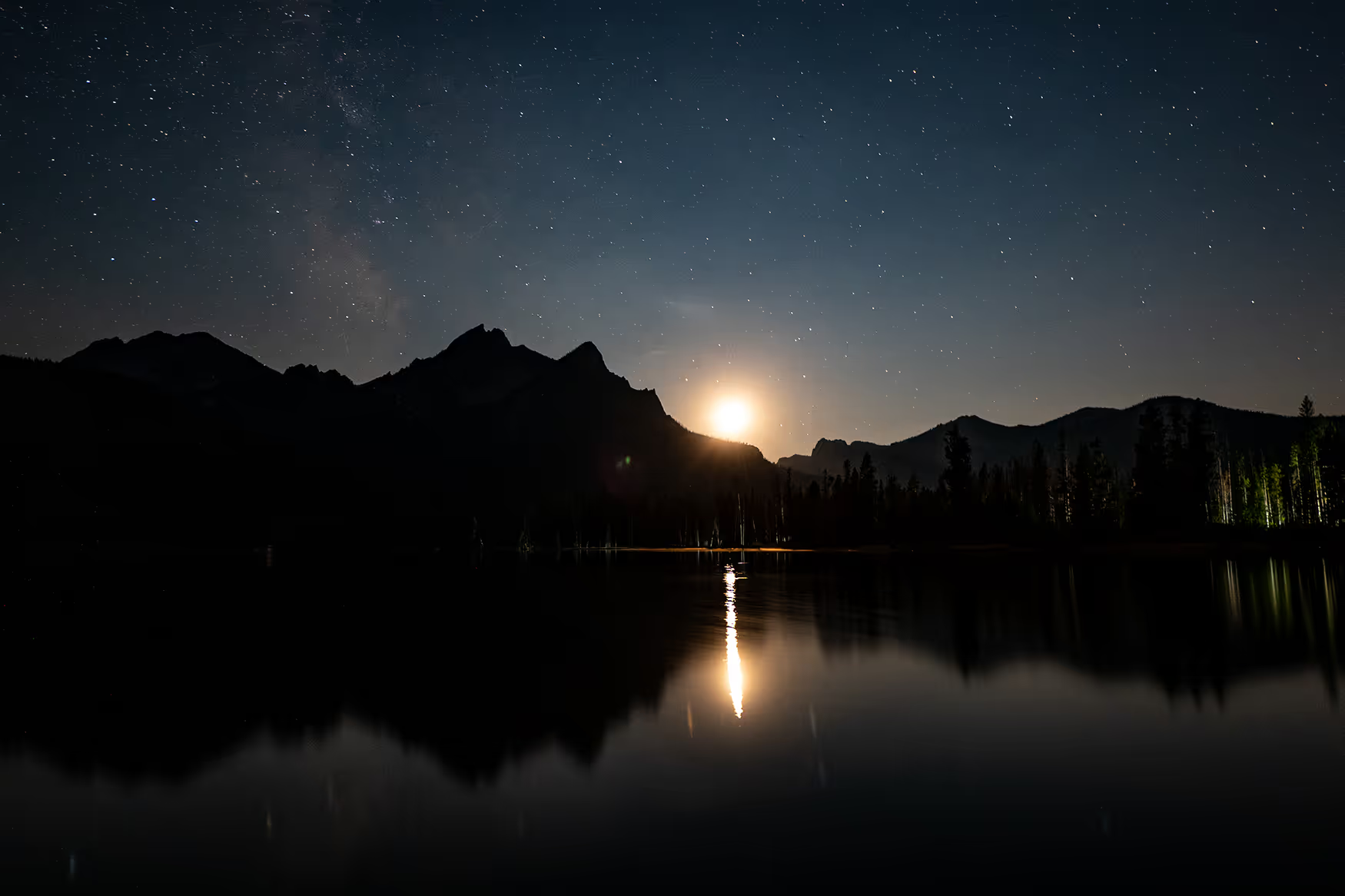
The third quarter moon was hanging low over Stanley Lake when I finally got my camera dialed in — this was my third attempt at astrophotography, and the Sawtooth wilderness was not making it easy. Cold air rolled off the water, the kind that gets into your jacket no matter how well you've layered, and the silence out there is the sort that makes you hyper-aware of every adjustment you make to your gear. What I discovered that night completely changed how I think about shooting the night sky: the moon is not your enemy. I'd spent months reading forums where photographers obsess over avoiding it, but twice now I've shot with it burning overhead, and both times it produced something far more dramatic and dimensional than a purely dark sky ever gave me. The other revelation was watching how fast the Milky Way actually moves — and not in a straight, predictable arc. It drifts and rotates in ways that, once you start tracking it through a long session, open up a whole new category of dynamic, cinematic shots.

What the Sawtooths Revealed After Dark
Arriving at Stanley Lake
Getting to the lake itself was easy enough—just a short walk from the trailhead parking area off Forest Road 455. However, shooting at night always adds a few challenges, especially with my tripod sinking slightly into the soft bank right at the water's edge.
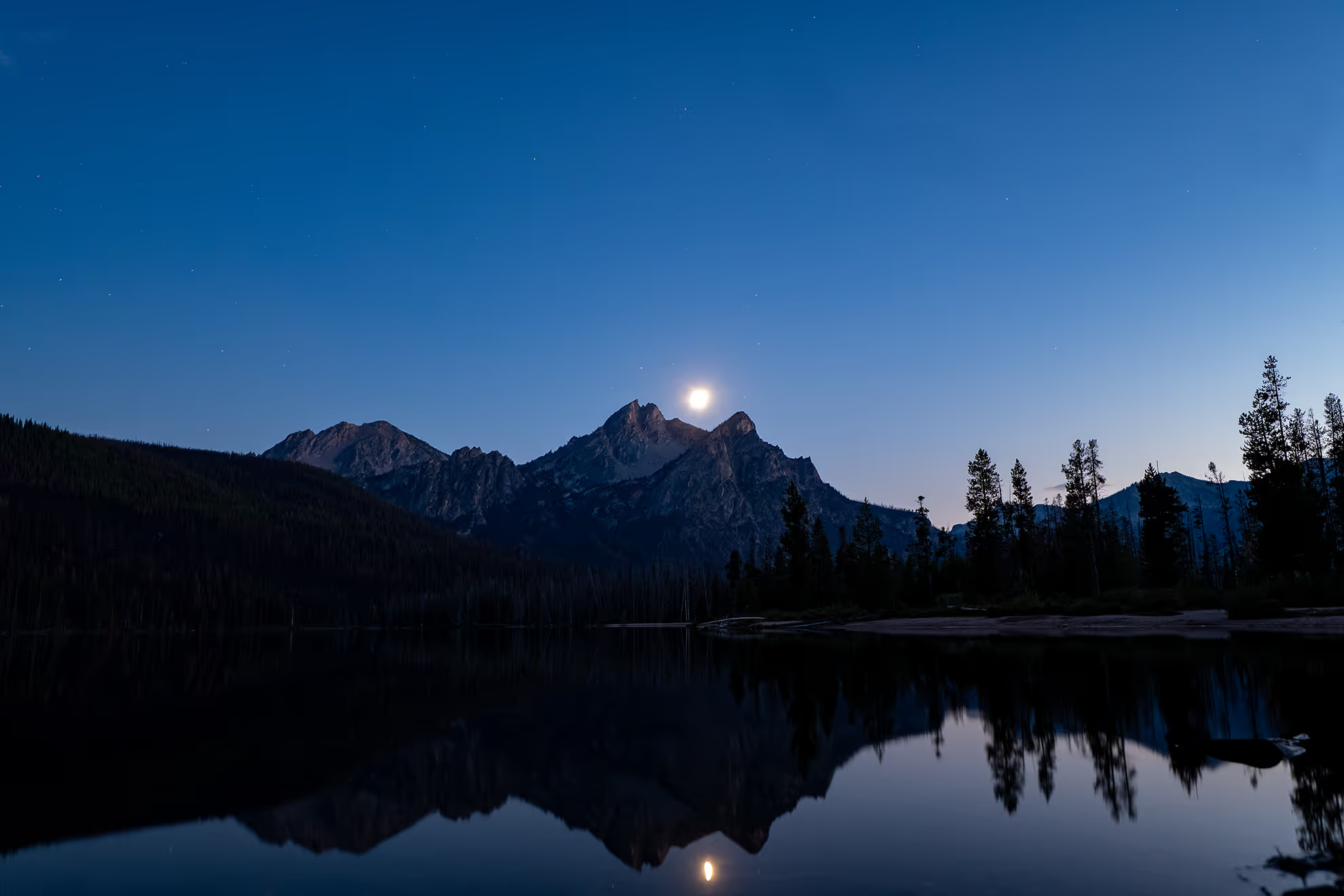
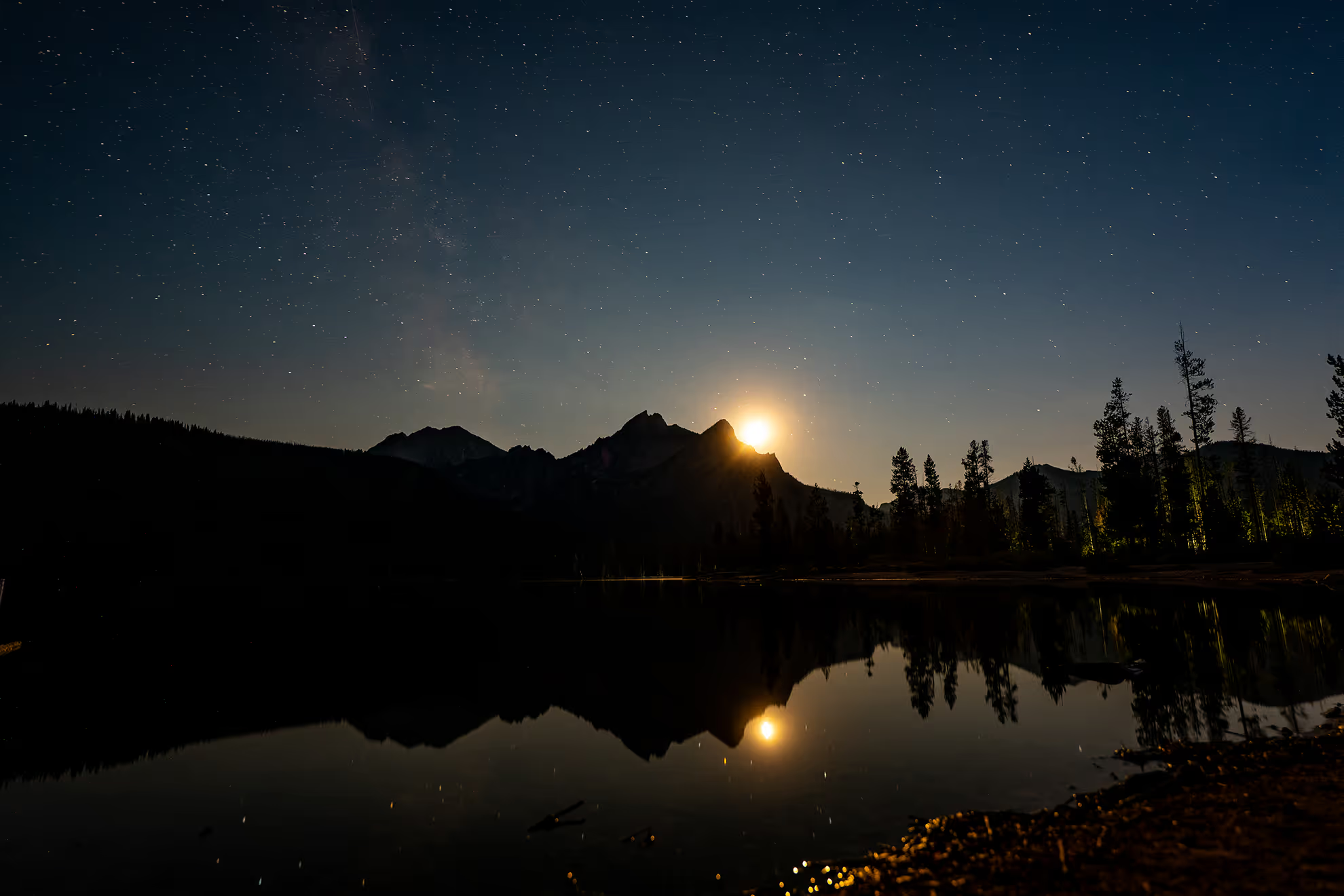
The Sawtooths rose in a jagged black silhouette against the sky, and the quarter moon was actually working in my favor. It lit up the granite ridgeline just enough to give the peaks some real depth. Without that moonlight, the mountains would have just dissolved into a flat, pitch-black wall.
Before the trip, I had read through the Sawtooth National Recreation Area's visitor guidelines on the Sawtooth National Forest website to check on the dispersed camping rules and get a feel for the layout. The SNRA covers over 750,000 acres, and since Stanley Lake sits near its northern edge, the horizon lines are completely open and there is almost zero light pollution coming from the south.
Setting Up the Foreground
I spent the first hour just watching the sky and test-positioning the camera. The Milky Way core was already visible low in the southwest, so I kept moving the tripod around to find a solid foreground that would anchor the shot without distracting from the stars.
The lake surface was picking up the moonlight in long, broken streaks, shattering and reforming every time a light breeze blew through. I had checked out the terrain beforehand using the Stanley Lake trail and geography overview on AllTrails, which was a huge help for finding where the shoreline opened up. Moving around in the dark with a heavy camera bag and no real trail is an easy way to twist an ankle if you aren't careful.
By then, the temperature had dropped into the low 40s. It was that dry, sharp mountain cold that makes your fingers stiff, but it keeps the air perfectly clear so the stars don't shimmer too much.
Tracking the Milky Way
The main challenge of the night was keeping up with the Milky Way's movement. I would set up a great composition with the core rising right behind the tallest peak, but within 40 minutes, the sky had rotated enough to completely change the geometry of the shot.
Instead of treating it like a static landscape, I started adjusting my framing every half hour and shooting continuous sequences. The moonlight continued to help out by keeping the foreground readable without washing out the fainter stars. The landscape had some excellent variety:
- The Shoreline: The rocks had clear, visible surface detail.
- The Water: The lake held a great tonal range rather than looking flat.
- The Treeline: The trees held actual depth instead of blending into the darkness.
I ended up burning through way more frames than I expected, purely because the shooting conditions were so good.
Packing Up
I finally packed up my gear somewhere past 2:00 AM. By that point, my boots were damp from the shoreline mud and my hands were totally numb from swapping out camera batteries and adjusting the focus ring without gloves.
Before walking back to the car, I just sat on a boulder for a few minutes to look at the view without a camera or a screen in the way. The Sawtooths looked incredible, and it was the perfect way to wrap up a great night of shooting.

Leaving Stanley Lake, the Night Still Echoes
Technique, I realized, is what transforms a night like this from a string of frustrations into a series of small discoveries. I’m satisfied with the images I brought home—each one a product of wide-open apertures at f/2.8, ISO hovering around 1600, and shutter speeds between 15 and 30 seconds—but I’m even more eager to experiment further. Next time, I’ll push beyond the familiar settings, testing new combinations to see how my gear responds to the subtle shifts in moonlight and mountain shadow. General advice is a useful compass, but it’s no substitute for the trial and error that comes from standing in the cold, learning what works in the moment.