Craters of the Moon: Idaho's Dark Sky Lava Wasteland
Where Idaho's Lava Fields Meet Infinite Stars
Standing in the middle of Craters of the Moon feels like stepping onto another planet — and that's not hyperbole. Craters of the Moon National Monument and Preserve, sprawling across South Central Idaho's high desert, is a raw, volcanic wasteland of fractured basalt, cinder cones, and lava fields that look freshly torn from the Earth's crust. The wind cuts cold and sharp out here, carrying the faint mineral smell of ancient rock, and the silence is the kind that presses against your ears. Yet for all its apparent emptiness, this landscape rewards the curious traveler in ways I never expected. Hardy limber pines and dwarf buckwheat push stubbornly through the black rock. Lava tube caves tunnel beneath your feet, cool and cathedral-quiet. The rolling spatter cones rise and fall across the horizon like frozen waves. And when night falls — and it falls hard and complete out here — Craters of the Moon transforms into one of the most extraordinary dark sky parks in the country, delivering a view of the Milky Way so vivid it genuinely stops you mid-step.
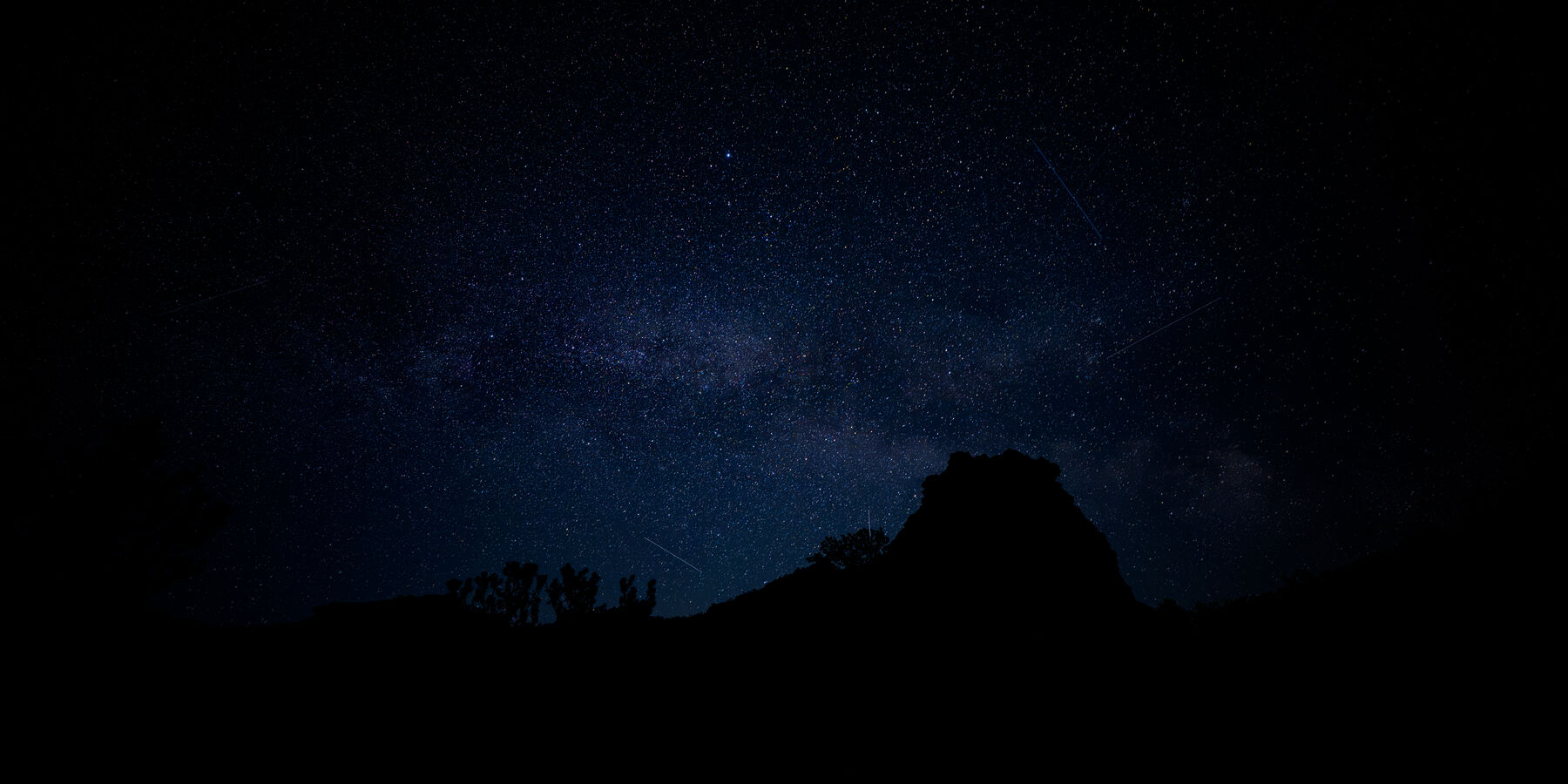
Into the Lava Fields: What Awaits Inside
Arrival and the Deceptive Landscape
The first thing that hits you when you step out into the backcountry at Craters of the Moon isn't the view: it is the intense heat radiating up from the black basalt in early June.
The rock absorbs and releases the summer sun with an almost aggressive intensity.
Setting out with a heavy pack in that high desert heat, I spent the first stretch simply walking slowly, letting my eyes adjust to a landscape that refuses easy comprehension. The scale out here is incredibly deceptive. What looks like a short scramble to the rim of a distant crater turns into a rigorous hike across fractured, ankle-testing lava fields. The basalt underfoot varies drastically:
- Smooth, ropy pahoehoe flows: Almost elegant in their frozen motion.
- Jagged, razor-edged: Rough terrain that would shred a boot sole given the chance.
According to the National Park Service's Craters of the Moon site, the monument protects one of the best-preserved flood basalt landscapes in the continental United States, and standing deep inside it, that designation feels entirely earned. I kept my wide-angle lens on for the first few hours, trying to compress the horizon into something a frame could hold. It couldn't.
Exploring the Deep Backcountry
By late afternoon, the light began doing what volcanic terrain does best: it turned the black rock into something almost warm, pulling deep purples and rust-reds out of the basalt that the midday sun had completely flattened.
Navigating through the remote craters and off-trail spatter fields gives you a true sense of isolation. The trail and terrain overview on AllTrails provides a solid sense of the established route options, but nothing quite prepares you for standing in the backcountry and realizing the vast lava field around you is only a tiny fraction of the 618,000 acres this place covers.
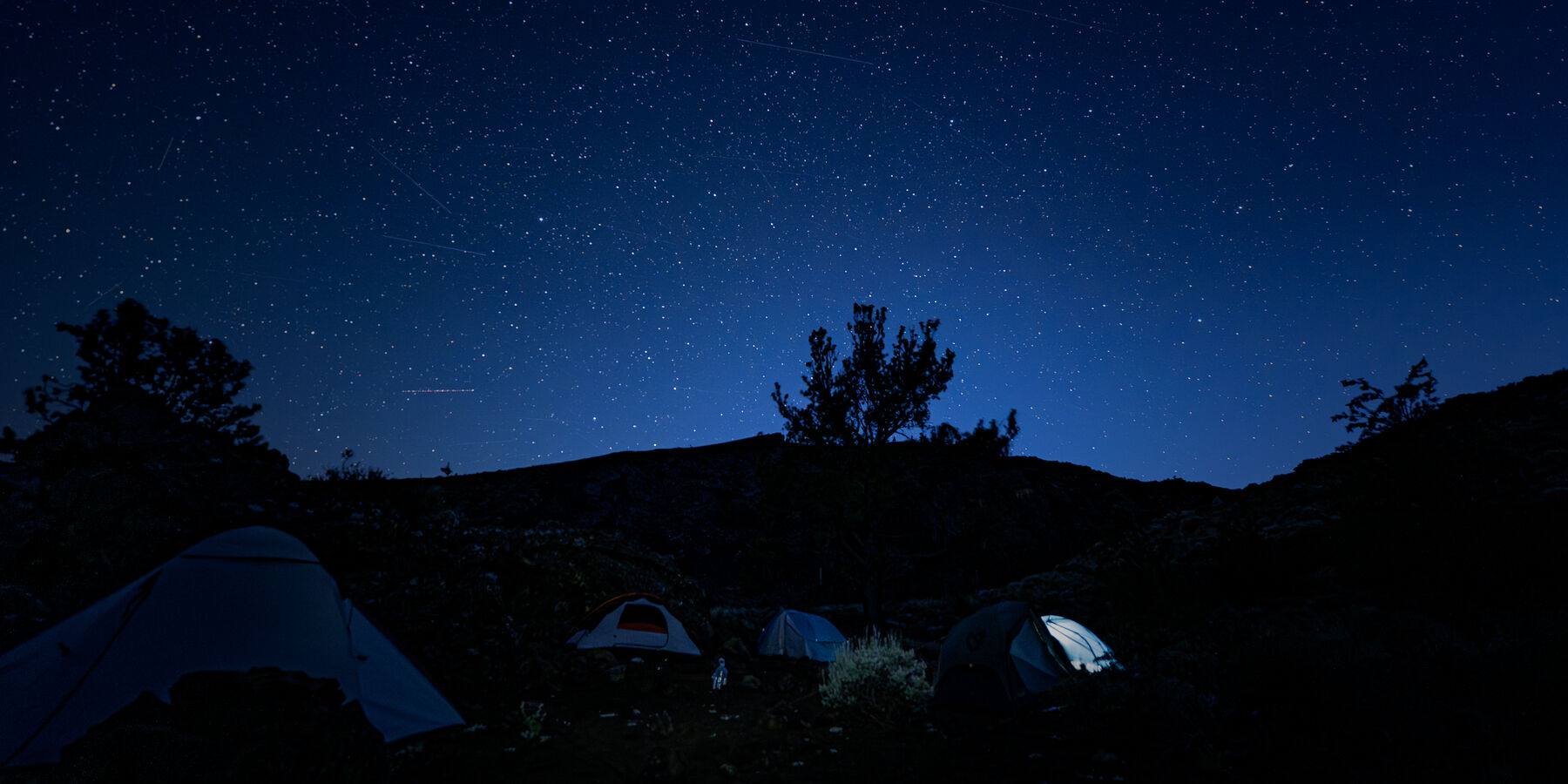
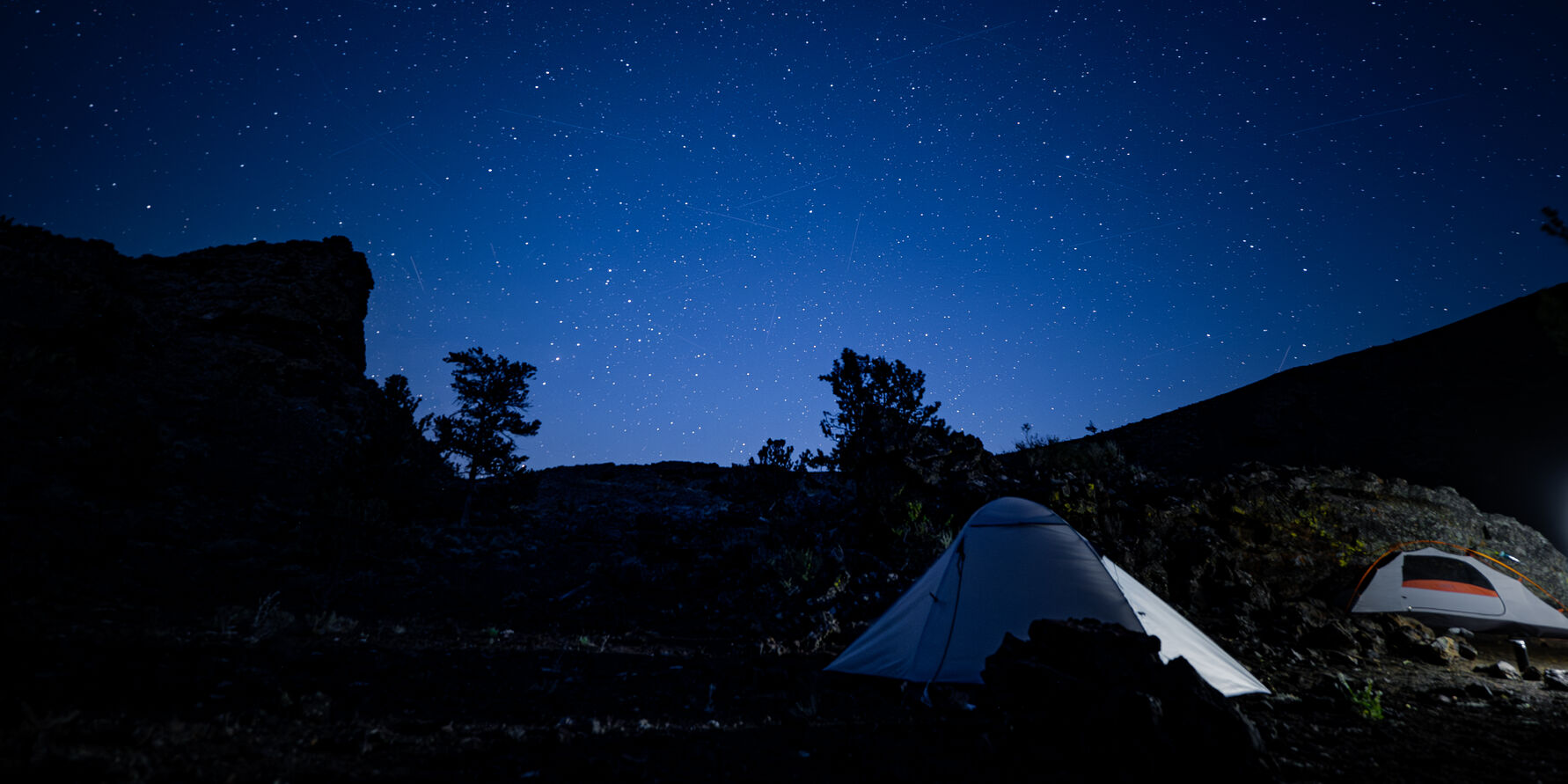
I shot for two straight hours as the day cooled off, chasing the shadow line as it crept across the volcanic depressions. The smell of the air was dry, mineral, and faintly sulfuric in a way that is more memory than present reality, and it stayed with me as we finally found a spot to pitch the tents.
A Masterclass in Astrophotography
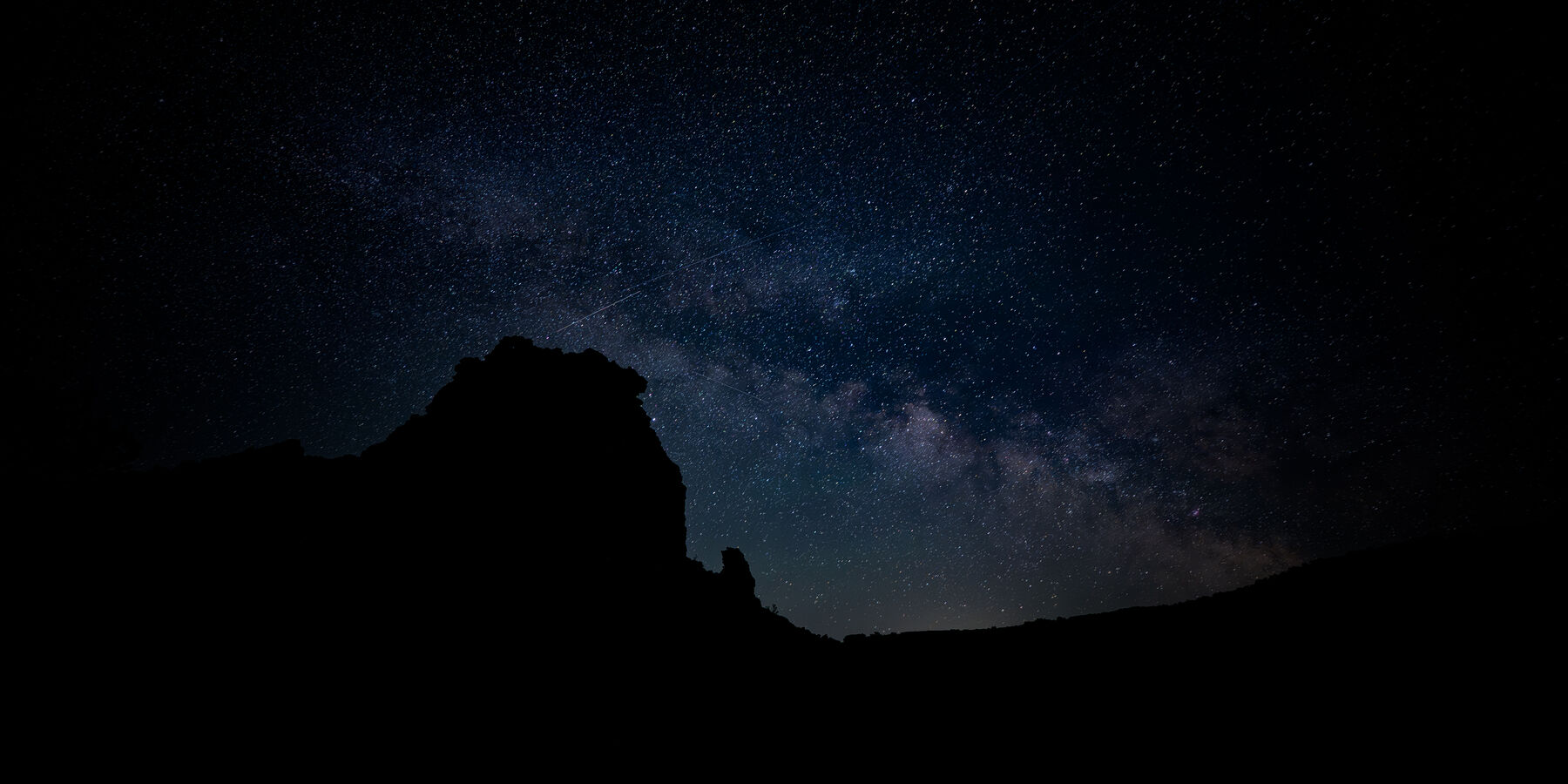
The light drops fast in the high desert, and once it goes, it goes completely. I ate quickly, kept my headlamp on red to preserve my night vision (which died early on), and waited. The Milky Way appeared not gradually but almost all at once, the way a curtain gets pulled rather than slowly parted.
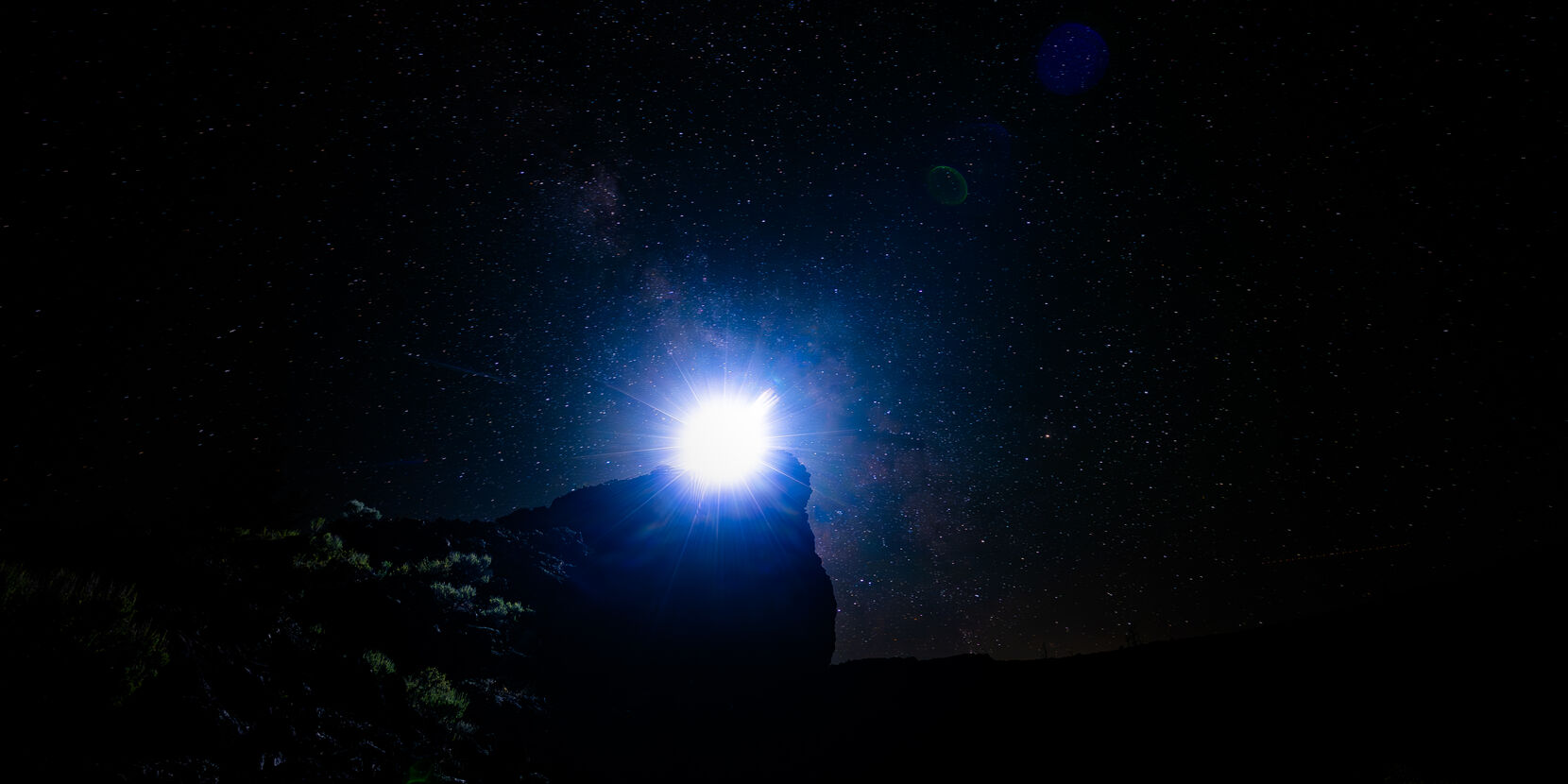
I positioned myself near the rim of a backcountry crater for foreground interest, the jagged silhouettes cutting up into the star field in a way that felt almost compositionally unfair: too dramatic, too perfectly alien. I shot until well past midnight, moving between compositions, lying flat on the basalt to get low angles, feeling the rock's deeply stored heat slowly bleeding away beneath me. The silence at that hour was total. Only wind, no insects, no distant road noise. Just the faint creak of my tripod and the sound of my own breathing.
What struck me most, reflecting on it the next morning over breakfast in the still-dark predawn, was how fundamentally different this place is from other dark sky destinations I've photographed across Idaho.
This was very different from the City of Rocks, another dark sky park in Idaho. The colors, landscape, and horizon glow provide so much variation in how visible the sky is and the kind of lighting and foregrounds there are for astrophotography. This area is also much more isolated in the backcountry, allowing you to fully roam and set up your shots at 3 AM with complete, uninterrupted freedom.
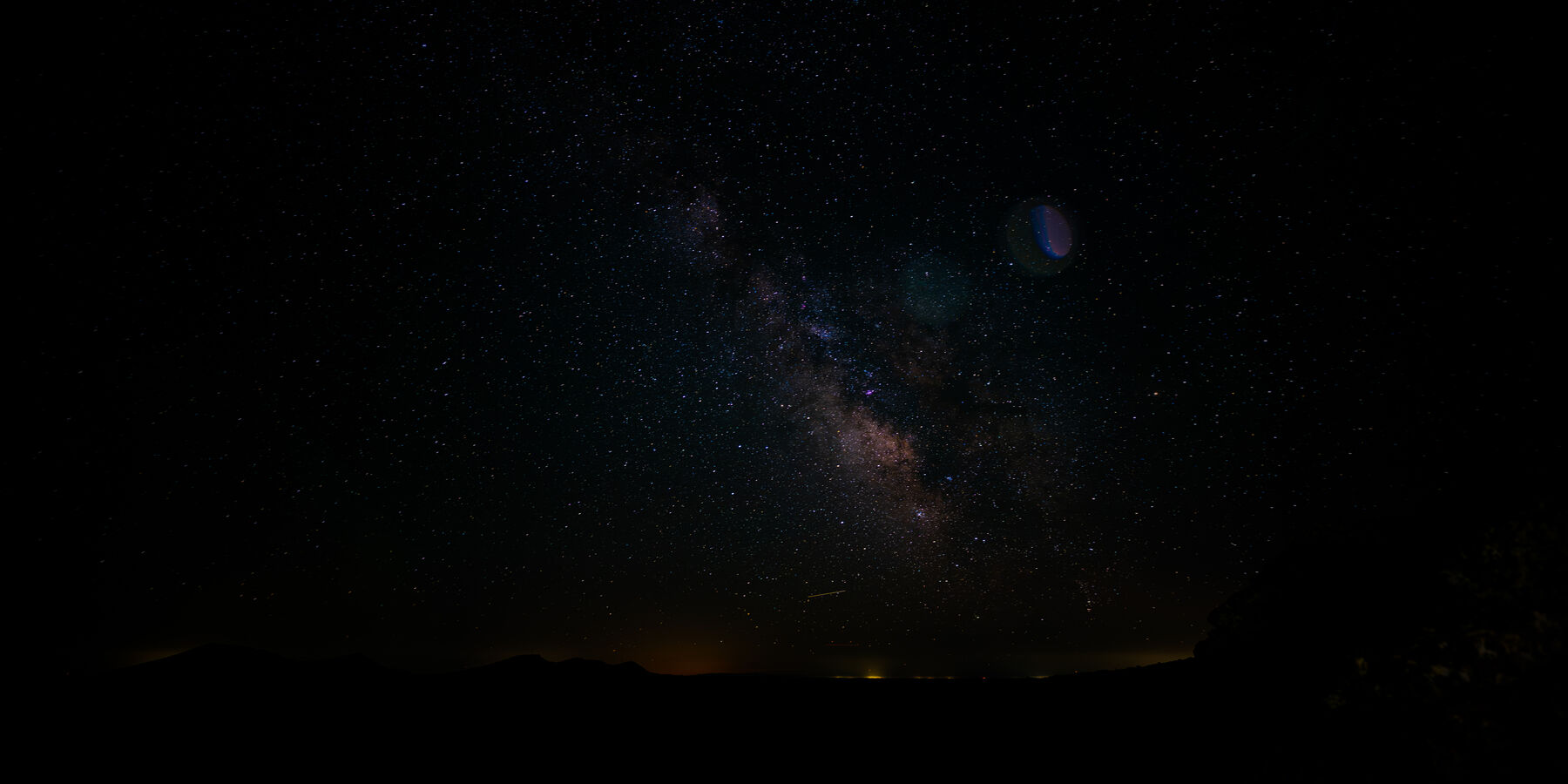
A Bearen, but Lively Wasteland
Craters of the Moon stands apart from places like City of Rocks, not just in its geology but in the way it shapes the night. Here, the interplay of color and shadow is more extreme—deep indigos and rust-reds at dusk, the horizon glowing faintly even as the sky above turns impossibly dark. The basalt fields and cinder cones create foregrounds that feel almost otherworldly, offering endless creative possibilities for astrophotography. Unlike more accessible parks, this landscape’s isolation is profound; once you leave the main road, you’re truly in the backcountry, free to wander and set up your tripod wherever inspiration strikes, even in the silent hours before dawn.